“Sir, your claim is not covered.” For many policyholders, those words come as a shock.
ClaimChase – Helping Policyholders Navigate Complex Insurance Claims
- The premium was paid on time.
The policy was renewed every year. The insurance agent had explained that the policy would provide protection when something went wrong.
Then the unexpected happened—and suddenly, the protection they thought they had was not as broad as they believed.
At ClaimChase, this is one of the most common situations we come across while helping policyholders deal with rejected, delayed, disputed, and underpaid insurance claims.
And here is the part many people overlook:
A claim problem can begin long before a claim is ever filed.
It can begin on the day you purchase the policy.
That is why reading your insurance policy is not just a formality.
It is one of the most important steps you can take to protect yourself, your family, your vehicle, your property, or your business.
Your Insurance Policy is not Just a Piece of Paper
Most people look at three things when buying insurance:
Premium.
Coverage amount. Policy duration.
But an experienced insurance professional looks much deeper.
What are the exclusions?
What are the deductibles?
Are there warranties or specific conditions?
What documents will be required if a claim arises?
Are there waiting periods?
What situations are specifically excluded?
What does the policy actually say about the risk you are trying to protect?
These details may seem unimportant when everything is going well.
They become extremely important when you are standing in front of a damaged vehicle, flooded property, hospitalized family member, burnt warehouse, or lost shipment and need your insurer to honor the coverage.
The real value of an insurance policy becomes visible when you make a claim—not when you buy it.
A Realistic Example: When “Everything Is Covered” is not Enough
Consider a business owner who purchases insurance for a warehouse.
During the purchase, he is told that his property and stock are protected against major risks.
He pays the premium and assumes he is adequately covered.
Months later, heavy rainfall causes water to enter the premises and damage a significant portion of his inventory.
He files a claim expecting reimbursement.
During the assessment, however, questions arise about the exact nature of the damage, the applicable coverage, exclusions, documentation, and policy conditions.
The business owner is surprised.
He remembers what was explained to him when he bought the policy.
But the insurer assesses the claim according to the written policy terms and applicable conditions.
This is why policyholders should never rely solely on verbal explanations.
If an important promise is not reflected in the policy, ask questions before signing.
The biggest insurance mistake?Insurance Mistake?insurance mistake? Buying Without Understanding
Insurance misspelling does not always look dramatic.
Sometimes, it is simply a policy being sold without properly explaining its limitations.
A customer may be told:
> “This policy is perfect for you.”
But has anyone explained why?
A policy may have excellent coverage for one person and completely unsuitable coverage for another.
For example,
- A business may need specific protection for its stock and machinery.
- A vehicle owner may require appropriate add-on coverage.
- A traveler may need coverage suited to the nature of the trip.
- A property owner may need to understand specific exclusions.
- A health insurance buyer needs to examine waiting periods, exclusions, limits, and conditions.
The right question is not “Is this a good policy?”
The better question is:
“Is this the right policy for my actual risk?”
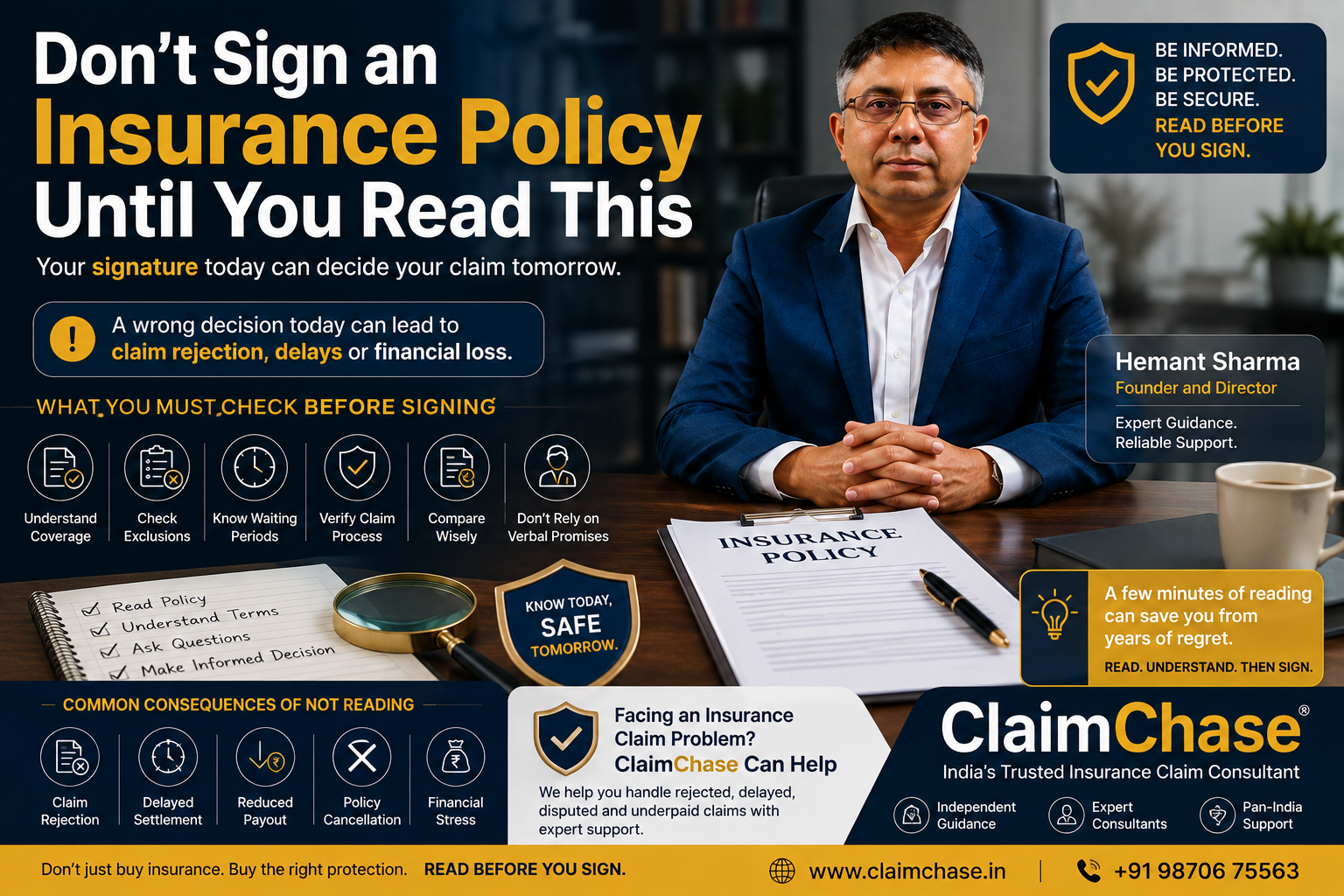
5 Things You Should Check Before Signing
1. Understand What Is Actually Covered do not stop at the headline coverage amount. Read the sections explaining the actual insured risks and conditions attached to them. Ask the insurer or intermediary to explain anything you do not understand.
2. Read the Exclusions. This is where many policyholders make their biggest mistake. People naturally want to know what their insurance covers. Experienced claim professionals also ask:
“What doesn’t it cover?”
Exclusions can significantly affect the outcome of a future claim.
3. Check Deductibles and Limits.
A policy may provide substantial coverage, but deductibles, sub-limits, excess amounts, or other applicable limits can affect the final amount payable. Understand these before purchasing.
4. Understand Your Responsibilities Insurance is not simply about paying the premium.
Policyholders may have obligations relating to disclosure, maintenance, security, documentation, reporting, and notification of losses. Ignoring these requirements can create complications later.
5. Keep Every Document
do not depend on an agent’s WhatsApp message or verbal explanation.
Keep:
- Policy documents
- Proposal forms
- Endorsements
- Premium receipts
- Renewal documents
- Relevant correspondence
- Supporting declarations
If something was specifically promised during the purchase process, ask for appropriate written clarification.
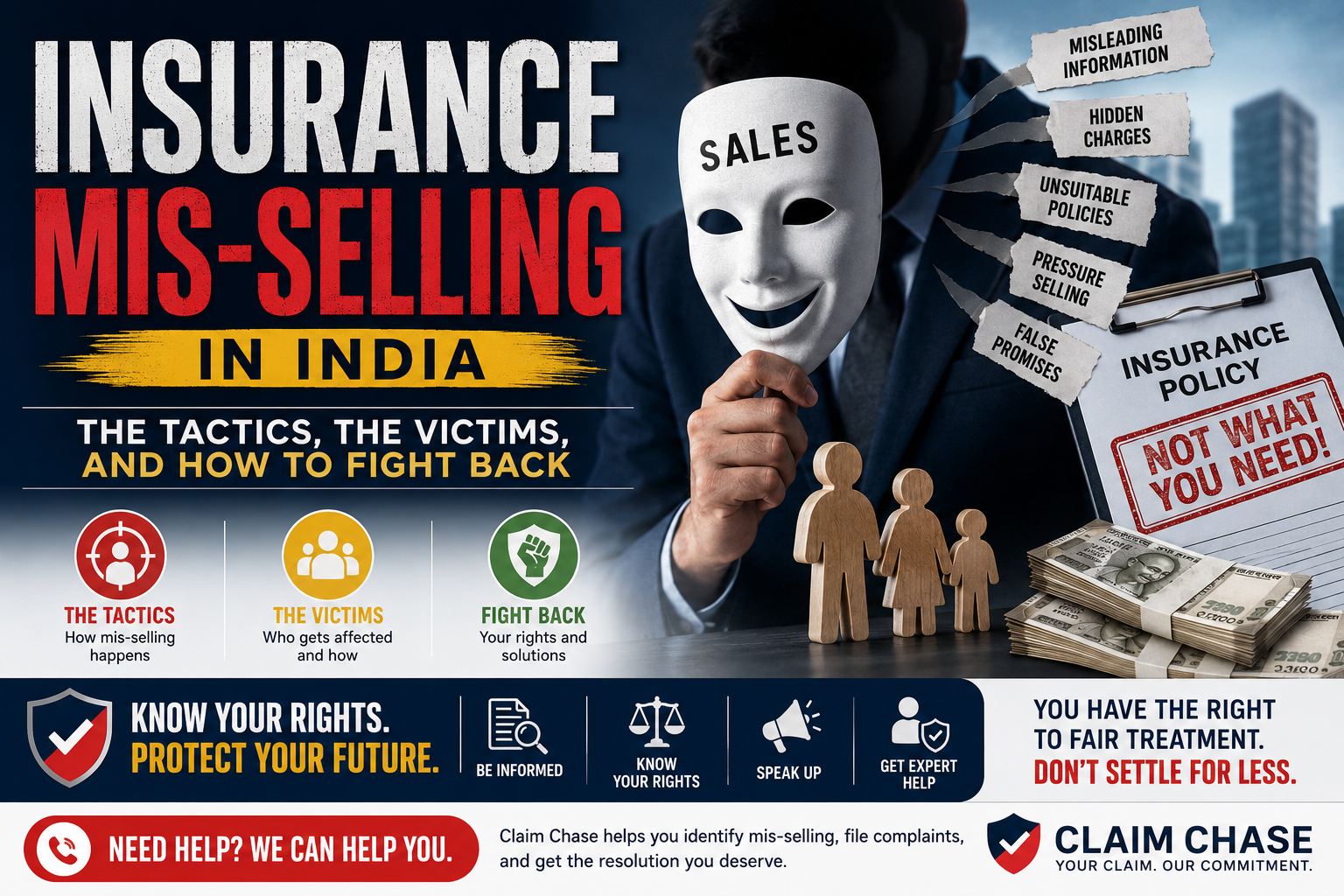
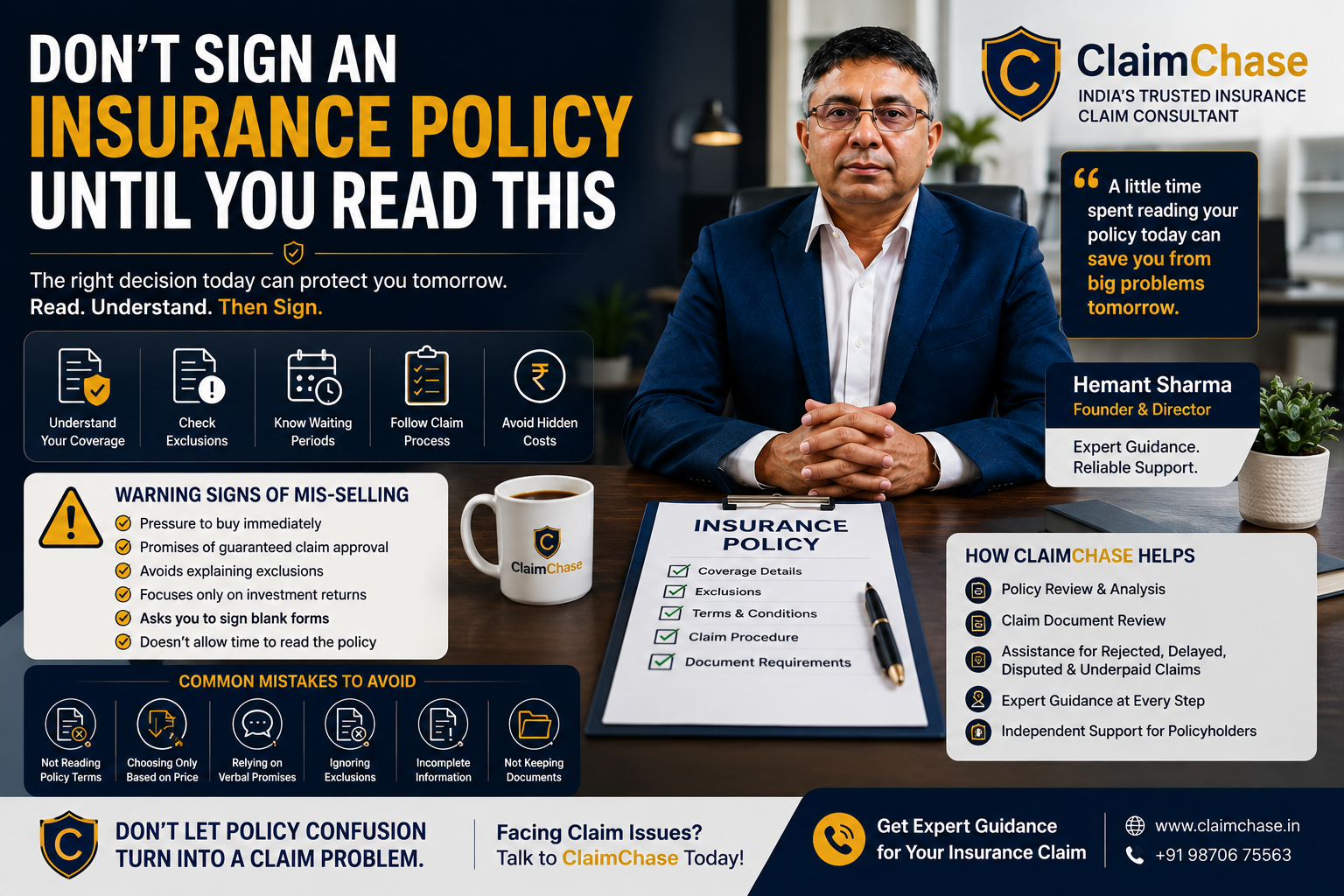
Warning Signs of Insurance Misspelling
Be careful if someone:
Pressures you to purchase immediately. Says, “Don’t worry about the terms.”
Promises that every type of loss is covered.
Avoids discussing exclusions.
Gives guarantees about future claim approval.
Asks you to sign incomplete or blank forms.
Doesn’t allow you time to review the documents.
Gives information that does not match the policy wording.
You do not have to feel uncomfortable asking questions.
An informed customer is a protected customer.
What If You Already Bought the policy? This is where things become more complicated.
Perhaps you purchased the policy several months ago.
Perhaps you later discovered that the coverage was not what you expected.
Or perhaps you have already suffered a loss and your claim has been rejected, delayed, disputed, or partially settled.
Don’t immediately assume that the matter is over.
The first step is to understand why the insurer has taken that position.
Look at the policy wording.
Review the claim documents.
Examine the insurer’s communication.
Identify the specific clause or reason being relied upon.
This is precisely where professional claim guidance can become valuable.
How ClaimChase Helps Policyholders
At ClaimChase, we approach insurance claims from the policyholder’s side.
We are an independent insurance claim consulting company, not an insurance company and not a policy-selling agency.
Our role is to help policyholders understand and navigate complicated insurance claim situations.
Policy Review
We examine relevant policy documents and help identify the coverage, exclusions, conditions, and provisions that may apply to the situation.
Claim Document Review
Insurance claims often involve extensive paperwork. We help policyholders review their claim-related documentation and identify gaps or inconsistencies.
Rejected Claim Support
If an insurer has rejected your claim, understanding the stated reason is the starting point. ClaimChase helps policyholders examine the claim circumstances and relevant policy provisions.
Delayed or Disputed Claims
When communication continues but the claim isn’t moving forward, professional assistance can help bring structure to the process.
Underpaid Claims
If a claim has been settled for an amount you believe requires further examination, ClaimChase can help review the available documents and assessment details.
Our objective isn’t to promise an outcome. It is to help policyholders understand their position and approach the claim process properly.
Don’t Make These Mistakes
Before signing a policy—or filing a claim—avoid these common errors:
- Buying insurance purely because the premium is cheap.
- Trusting verbal assurances without checking the documents.
- Ignoring exclusions.
- Providing incomplete or inaccurate information.
- Signing forms without reading them.
- Failing to keep policy records.
- Waiting too long to report a loss.
- Accepting a claim decision without understanding the reason behind it.
A little attention at the beginning can prevent significant confusion later.
Insurance Should Protect You-But Understanding It Is Your Responsibility
Insurance is built on a contract.
The premium is your financial commitment.
The policy is the document that defines the protection.
And when a loss occurs, the claim is assessed against that framework.
That’s why the smartest policyholders don’t wait until something goes wrong to understand their insurance.
They read it beforehand.
They ask questions.
They keep records.
And when a claim becomes complicated, they seek professional guidance rather than trying to navigate everything alone.
ClaimChase – Helping Policyholders Navigate Complex Insurance Claims.