
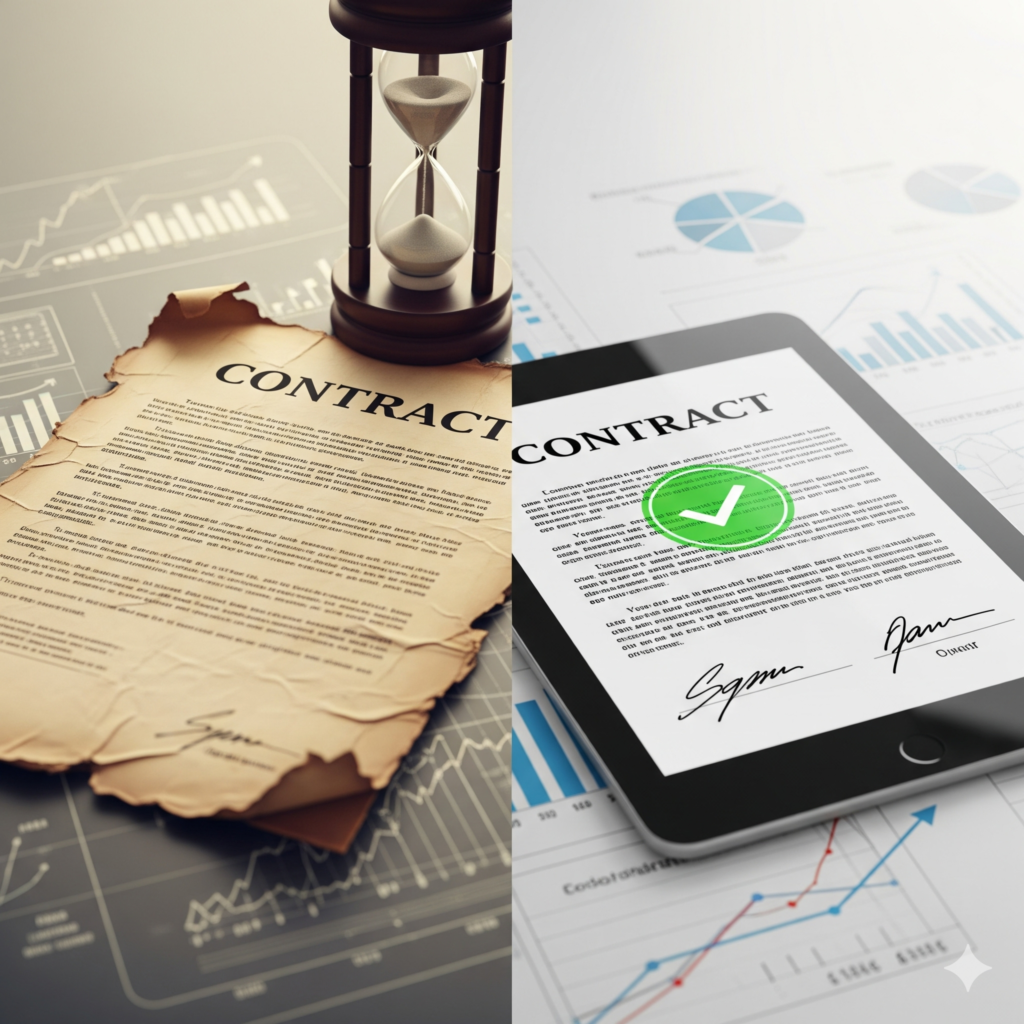
Outdated Contracts Can Cost You More Than You Think
Many businesses continue operating on contracts drafted years ago—without realizing that business models, laws, risks, and markets have changed. What once worked can now expose your business to payment issues, compliance risks, disputes, and unenforceable clauses.
Knowing when to update or redraft your contracts is essential to protecting your business as it grows.
Why Updating Contracts Is Critical
Contracts are living documents. As your business evolves, contracts must reflect:
- New services, products, or markets
- Changes in laws and regulations
- Increased transaction value and risk
- New vendors, clients, or partners
Failure to update contracts often leads to unexpected liabilities and weak legal positions.
Key Situations When Contracts Should Be Updated or Redrafted
1. Your Business Has Grown or Changed
If you’ve expanded operations, entered new markets, or increased deal sizes, old contracts may no longer offer adequate protection.
Risk of not updating: Under-protected revenue and liability exposure.
2. Laws or Regulations Have Changed
Legal and regulatory updates can make existing clauses outdated or unenforceable.
Risk of not updating: Compliance violations and penalties.
3. Repeated Disputes or Payment Delays
Frequent conflicts indicate gaps in scope, payment, or delivery clauses.
Risk of not updating: Continued losses and operational disruption.
4. Change in Services, Pricing, or Scope
If you’ve added new offerings or revised pricing models, your contracts must reflect these changes.
Risk of not updating: Disputes over deliverables and compensation.
5. One-Sided or Vendor-Drafted Contracts
Many businesses operate under contracts drafted by the other party.
Risk of not updating: Unfair liability and weak negotiation leverage.
6. Entering Long-Term or High-Value Agreements
High-value or long-term contracts require stronger risk management.
Risk of not updating: Significant financial exposure if things go wrong.
7. Mergers, Acquisitions, or Ownership Changes
Corporate changes often require contract restructuring.
Risk of not updating: Invalid assignments or breach risks.
8. Contracts Are More Than 2–3 Years Old
Contracts drafted years ago may not reflect current business realities.
Risk of not updating: Obsolete clauses and weak enforceability.
Signs Your Contracts Need Immediate Attention
🚩 Vague scope or deliverables
🚩 Missing penalty or termination clauses
🚩 No dispute resolution mechanism
🚩 Unclear IP ownership
🚩 Frequent misunderstandings with clients or vendors
Update vs Redraft: What’s the Difference?
Contract Update:
Minor revisions or amendments to existing clauses.
Contract Redraft:
A complete restructuring to align with current risks, laws, and business goals.
Professional review determines what’s best.
How ClaimChase Helps Businesses Stay Contract-Ready
At ClaimChase, we help businesses audit, update, and redraft contracts to prevent disputes and protect growth.
Our Contract Services Include:
✔ Contract health check & risk audit
✔ Clause updates for compliance and protection
✔ Complete contract redrafting
✔ Negotiation and restructuring support
✔ Dispute-prevention strategies
Don’t Let Outdated Contracts Hold You Back
Updating contracts today can save you from costly disputes tomorrow.
📞 Get your contracts reviewed by experts
📲 Call +91 9373267717